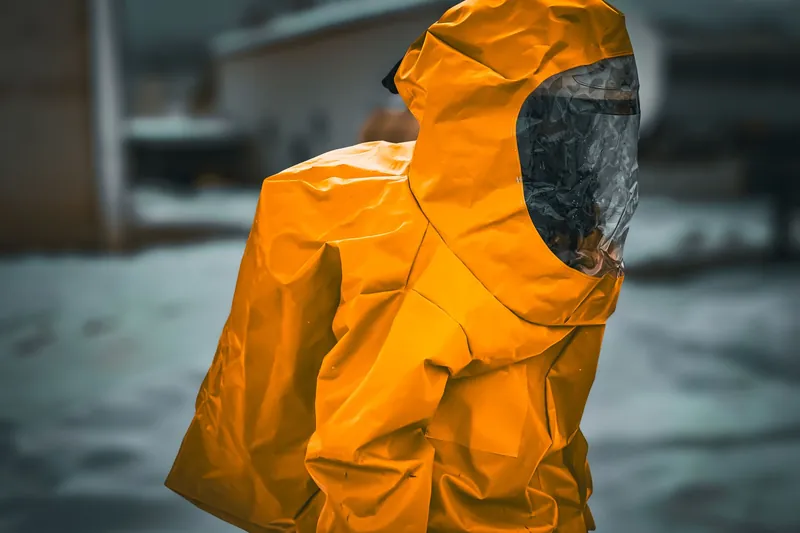
Biohazard Cleanup
Removal and disinfection of blood, body fluids and other infectious material from any property.
See biohazard cleanupKeep everyone away if blood, sewage, bodily fluids or a different biological hazard has left the space unsafe. You can get clear guidance immediately, but cleanup must wait until police or any other officials involved have released the area.
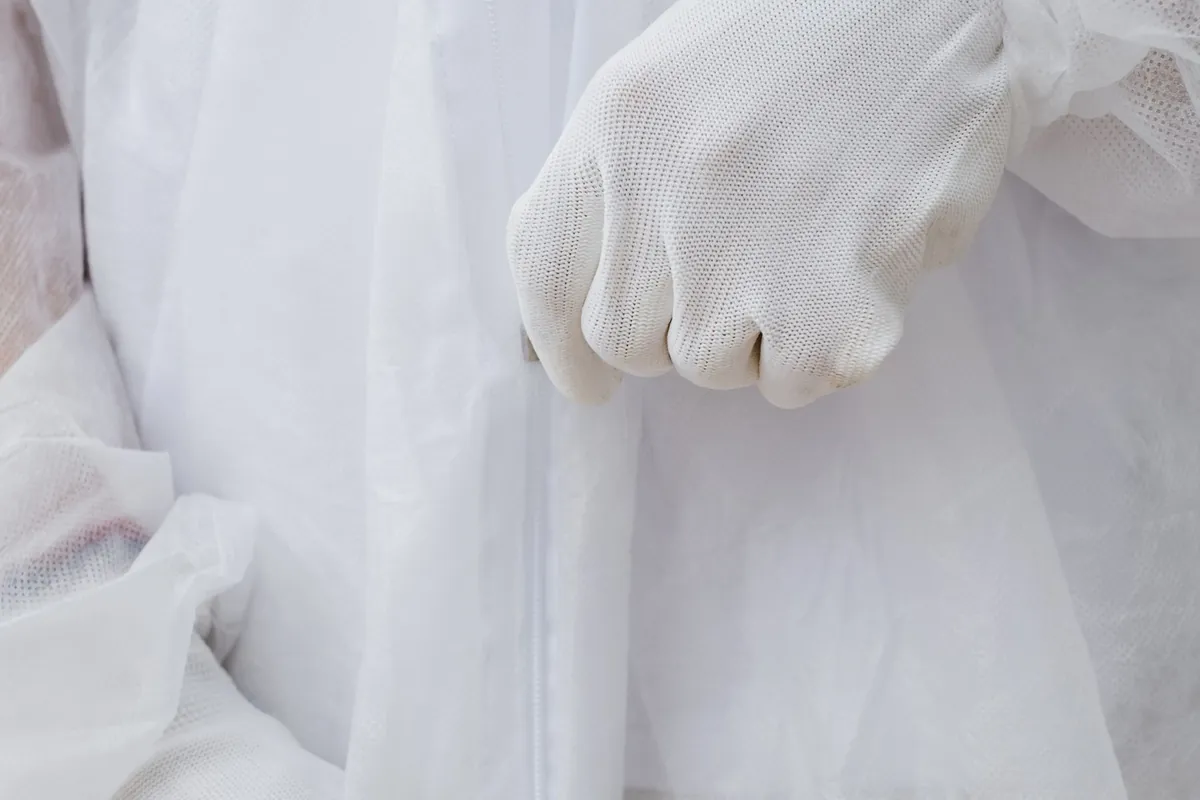
Urgent isolation, removal, cleaning and disinfection make up emergency biohazard cleanup. The work addresses blood, human waste, bodily fluids and other biological contamination that may put people at risk of injury or illness.
Situations leading to this work include accidents, major blood spills, trauma scenes, crime scenes, sewage backups and unattended deaths. First, emergency cleanup limits the spread into areas that are still clean. Cleanup technicians assess the affected space, isolate it and decide how to perform the work in the safest order.
Visible dirt may come off with ordinary cleaning, but biohazard remediation requires more. Workers use protective equipment and carefully remove contaminated material. They clean surfaces, apply an EPA-registered disinfectant for the entire label contact time, package hazardous waste, address odor and complete a final inspection. This work helps the space progress toward clean, normal use.
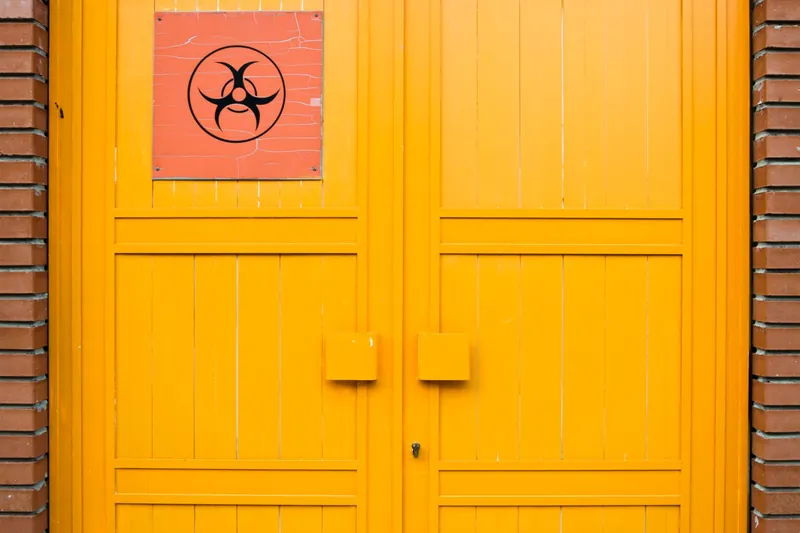
You can explain the situation day or night and get immediate safety instructions while access, scene release and cleanup needs are assessed.
Crews arrive in unmarked vehicles. The affected space may be screened from visitors, nearby residents and other areas that remain unaffected.
The cleanup process starts after you are told what can be cleaned, what could come out and why cost may change.
Photos, scope notes and waste records can help you explain the biohazard remediation work to an insurance company or property manager.
You may need emergency biohazard cleaning if biological material poses a serious health danger or may move into other parts of a house, workplace or vehicle. These are common examples:
A death found after time has passed may require fluid removal, odor treatment and careful sorting of nearby belongings.
An accident, suicide or violent event can leave affected areas, whether one space or several, with bodily fluids and material damage.
Blood can enter porous layers and seams beneath floors, furniture or walls. Prevent anyone from entering, and avoid stepping in the spill.
A property with clutter can become a biohazard when it contains sharps, spoiled materials, or human or animal waste.
Your immediate priority is limiting contact and stopping contamination from moving. As you make professional cleanup arrangements, take the following steps:
Call (888) 440-9227Emergency work does not have its own published price. Fixr's general biohazard figures are the closest reference: $3,000 to $5,000 for a typical job, about $1,500 at the low end and $25,000 or more for large ones. Urgency, the type of contamination and the area involved can all move your total. Treat these as context only.
These national ranges are taken from published cost guides, rather than a property visit. An on-site assessment determines your property's price, which is explained to you before the cleanup starts.
Ask about cost: (888) 440-9227Biohazard cleanup may be covered by certain homeowners, commercial or renters policies after a sudden event that qualifies for coverage. The policy terms, cause, deductible and limits determine whether coverage applies.
A tenant should notify the landlord or property manager. Who is responsible may vary with the contamination location, its cause, the lease and applicable policy.
When contacting the insurance company, describe what occurred and confirm whether cleaning, removal, odor treatment and future repairs are covered by the claim.
Save your scene release, claim identifier, photographs, work scope, bills and documentation for waste. Confirm the adjuster's documentation requirements prior to any work that changes the scene.
Victims of violent crime can ask their judicial district's Crime Victim Compensation program whether cleanup costs can be included in a compensation claim, since several district programs list crime scene cleanup. Insurance is usually checked first.
The emergency response follows a controlled order so contaminated material does not move into clean areas. Every situation is different, but the cleanup process usually includes these steps:
Cleanup technicians identify the type of contamination, trace the affected area and note materials, access limits and immediate safety concerns.
The affected work space is contained apart from clean rooms. Equipment and protective wear are chosen to match the tasks and potential exposure.
Contaminated debris and fluids are gathered in a way that limits their spread. Items that cannot be thoroughly cleaned are carefully removed section by section.
Disinfection follows the removal of visible soil. Cleaning first prevents debris from blocking direct contact between the disinfectant and surface.
Cleanable surfaces are treated with an EPA-registered disinfectant and kept wet for the full contact time stated on the label.
Medical or regulated waste requirements call for contaminated materials and sharps to travel in proper sealed containers.
Once source material is gone, suitable treatments such as air scrubbers can address particles and odor within the space and connected air routes.
A final check looks for contamination left in the work space. Property owners and insurance companies can receive clearer work details through images, scope documentation and records for disposed waste.
Call at any time. You speak with an emergency 24/7 biohazard cleanup specialist who outlines the process and schedules a start time with you.
Blood, sharps, sewage and body fluids may pose a serious danger to health. A dry appearance or small affected space does not remove that risk.
Blood can contain HIV, hepatitis C or hepatitis B. Dried blood needs cautious handling because, according to the CDC, hepatitis B may live on surfaces for at least seven days.
Fluids can travel under baseboards and soak through carpet, padding, subfloor, drywall or furniture. A surface wipe may not remove hidden contamination.
A sudden biohazard can be upsetting, especially after a death or traumatic event. You may avoid the scene by having a trusted person arrange entry for others.
Can you clean it yourself? A few drops of fresh blood on a hard, non-porous surface may be cleaned with disposable gloves and an EPA-registered disinfectant used for the full label contact time. Professional cleanup is appropriate when sharps are present, absorbent material was reached, the source is uncertain or the full edge of the spill is not visible.
Reachable surfaces remain in place if they can be completely cleaned and disinfected. When contamination penetrates porous material too deeply for effective cleaning, that material is taken out.
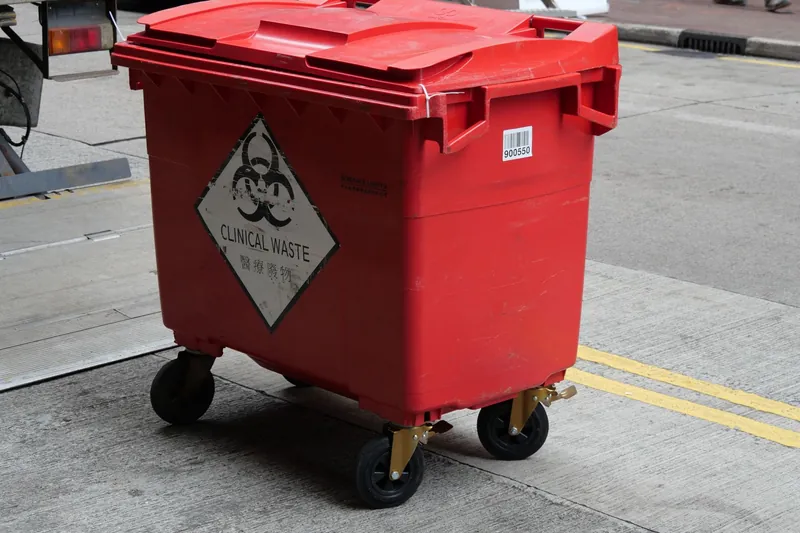
No single cleanup timeline applies to every situation. The schedule varies with the kind of contamination, affected area count and materials involved, along with any fluid penetration into hidden layers and the time at which authorities release the scene.
| Scene | Typical time on site |
|---|---|
| Limited affected area on a hard surface | Completion may take one work period once the assessment is finished |
| A single space requiring removal of absorbent material | May involve multiple phases that cover cleaning, material removal and inspection |
| More than one room, building material impact or odor | May require multiple work periods before restoration begins |
Finding the contaminated source and taking it out is the starting point for odor removal. Surface sprays or fragrance will not resolve fluid beneath floors, within furniture or behind walls. Before treating the air, those affected materials must either be removed or cleaned.
Airborne particles can be filtered by HEPA air scrubbers in a controlled work zone. Hydroxyls may suit certain occupied environments. Ozone, however, needs the controlled space to be empty and requires care before reentry. The source, materials affected and paths through the air determine which approach fits. When odor could have moved beyond the immediate area, HVAC openings are inspected.
The full emergency 24/7 biohazard cleanup guide covers what is cleaned or removed, odor and air quality work, and the rules that apply in Colorado.
Read the full emergency 24/7 biohazard cleanup guideLocal housing, population and access details can shape containment, access and cleanup planning.
A renter share of 45.6% means clear photos and item records can help different parties follow what cleanup required.
Homes with a median construction year of 1965 may contain layered renovations that hide affected materials beneath newer finishes.
The local count of seniors living alone is 2,743, so a cleanup plan may need input from someone managing the home remotely.
With 67.1% single-family housing, cleanup plans should fit both private homes and units with common halls, walls, or ventilation.
During your call, ask whether cleanup is available in surrounding communities and ZIP codes.
Removal and disinfection of blood, body fluids and other infectious material from any property.
See biohazard cleanup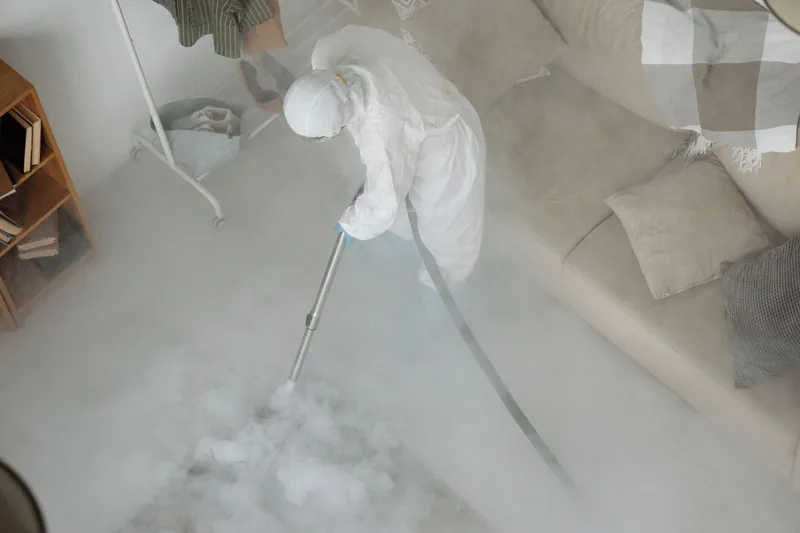
Complete decontamination treats the room, its surfaces and the air after a hazardous or infectious exposure.
See biohazard decontamination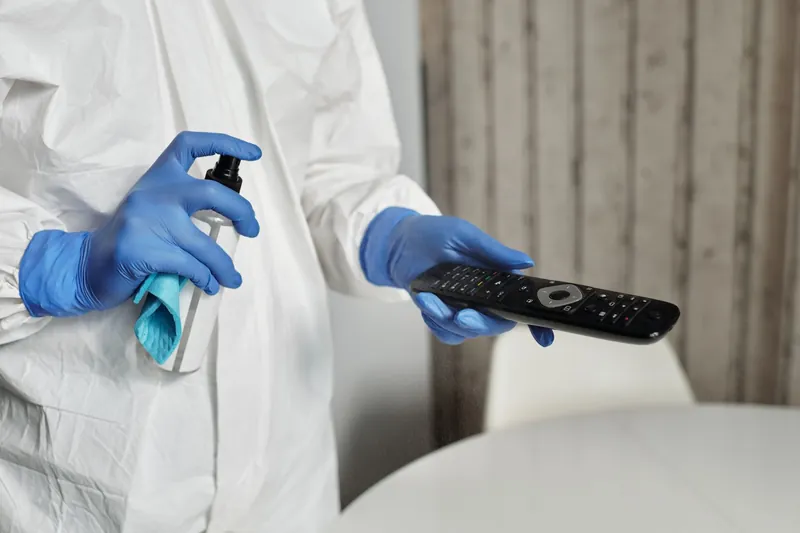
Biological remediation removes contamination so the space can be safely used again.
See biohazard remediation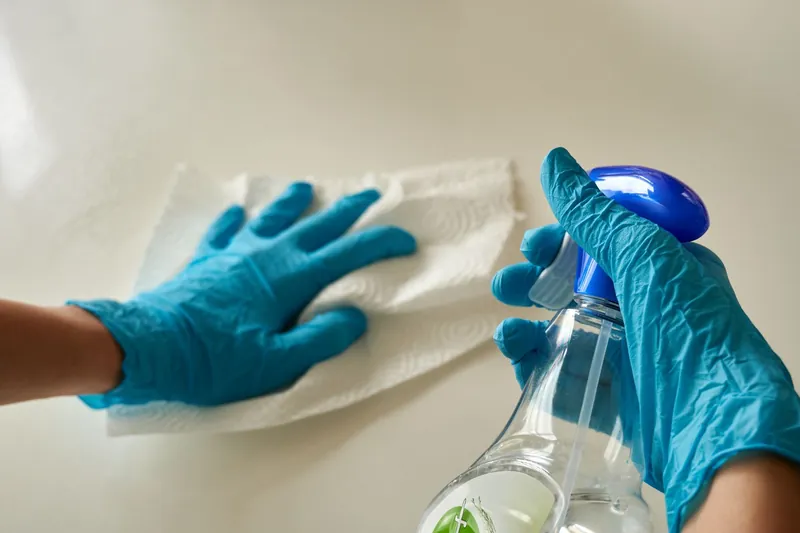
Walls, carpets, furnishings and hard floors receive blood cleanup, with safe disposal afterward.
See blood cleanup
Trauma scene cleanup after accidents, injuries and violent events.
See trauma scene cleanup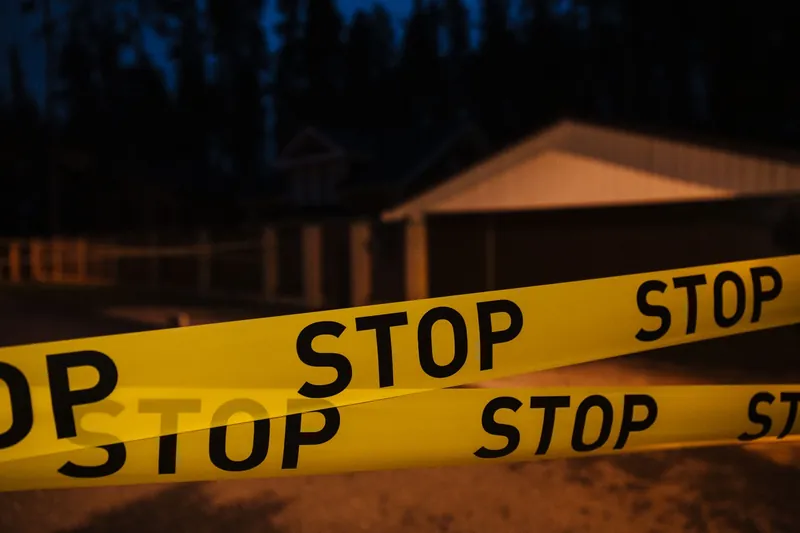
Crime scene cleaning after police release the property, from blood to odor.
See crime scene cleanup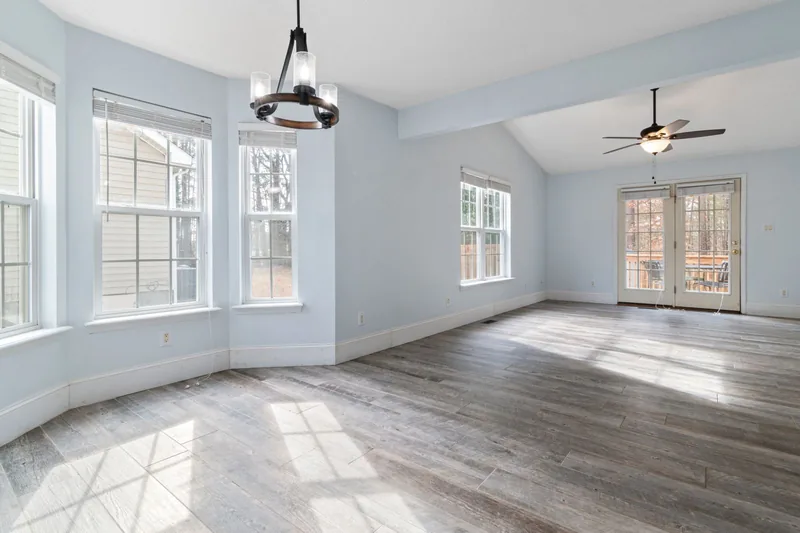
Cleanup after an undiscovered death includes odor control and the effects of days of decomposition.
See unattended death cleanup
Sewage cleanup removes Category 3 black water from raw sewage, then disinfects and dries the area.
See raw sewage cleanupThe time depends on the contamination, surfaces, number of rooms and whether fluids reached subfloor, wall cavities or furnishings. A single work period can sometimes cover a minor hard-surface area. Several phases may be necessary before restoration when multiple rooms are involved or absorbent materials and odors need treatment.
Keep clear of the spill, prevent access and use 911 if someone needs medical help. Leave blood and sharps untouched, await law enforcement release of a controlled scene, report occupational exposure properly and schedule cleanup. Stay outside the affected area and leave household cleaning supplies unused.
It may. Coverage depends on the cause of the event, the policy language, exclusions, limits and deductible. Contact the insurance company to discuss biohazard cleanup, material removal, odor work and restoration. Save the scene release, photographs, claim identifier, work scope, bills and waste documentation.
With gloves and an appropriate EPA-registered disinfectant left for the complete contact time, you may be able to clean a few drops of your blood from a non-porous hard surface. Avoid attempting the work when the origin is unknown, the contamination reached porous items, sharps exist or its complete boundary cannot be identified.
Items affected by blood, sewage, human waste or certain bodily fluids can be biohazardous, as can sharps and those substances themselves. Risk depends on the source, amount, surface and possible route of exposure. When you do not know the source or full boundary, keep people away and seek guidance before touching or cleaning anything.
Published guides do not list a separate emergency range. Fixr gives a general biohazard range of $3,000 to $5,000 for typical jobs, from about $1,500 up to $25,000 or more for large ones. Urgency, waste disposal, porous items, affected area size and contamination type can each influence the total price.
Respectful, discreet emergency 24/7 biohazard cleanup is available 24 hours a day, and crews arrive in unmarked vehicles.